Digest
After a frantic 911 call reported that Trevor Case was threatening suicide, police entered his Montana home without a warrant and ultimately shot him. The Supreme Court considered what the Fourth Amendment requires for police to enter a home for an emergency wellness check. Does the "emergency-aid exception" demand "probable cause"—a substantial chance that someone is in immediate, life-threatening danger—or does a more flexible "objectively reasonable basis" suffice?
Case’s lawyer argued that protecting the home requires the high bar of probable cause, which officers lacked given their history with his empty threats. Montana countered that a rigid probable cause standard, designed for criminal cases, would paralyze first responders from saving lives. Justices questioned whether a strict rule would cause deadly hesitation, while also worrying that a vague standard could lead to unnecessary and tragic home invasions, especially during mental health crises.
The Court's decision will set the nationwide rules for wellness checks. A ruling for Case would strengthen privacy but could make police hesitate to intervene in ambiguous emergencies. A ruling for Montana would give officers more discretion to provide aid, but it could also increase the risk of violent encounters when police respond to people in crisis.
Key Moments
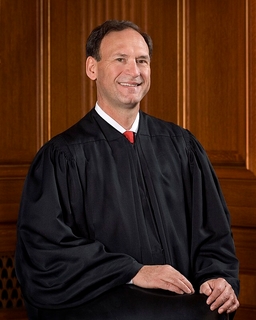
After listing all the evidence police had—the ex-girlfriend's frantic call, the sound of a gun racking, a pop, a dead phone line, no answer at the door, and seeing a suicide note and empty holster through the window—he asked the petitioner's lawyer, 'I mean, what more did they need?'
This exchange reveals extreme skepticism toward the petitioner's argument. Justice Alito clearly believes the police had an overwhelming basis for entry, suggesting that a 'probable cause' standard, if it wasn't met here, is an unworkably and dangerously high bar for real-world emergencies.
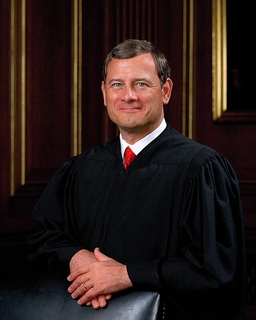
He pushed back on using the 'probable cause' label, asking, 'Well, why isn't it something like probable concern or reasonable concern?' He suggested the petitioner was just borrowing a familiar term from a totally different context (criminal law).
This signals the Chief Justice is searching for a new legal standard specifically tailored to emergency aid situations. He sees a fundamental difference between searching for evidence and searching for a person in distress, and he's unwilling to simply copy-and-paste the language of criminal procedure.
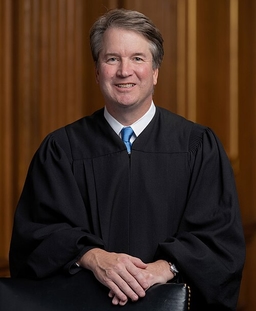
He posed a stark hypothetical: 'Well, if they, after deliberations, walk away and he commits suicide, I mean, what are you thinking then of the officers?'
This question frames the entire case around the real-world consequences of police inaction. It shows Justice Kavanaugh is focused on the immense public and professional pressure on officers to intervene and is worried that a strict legal rule will discourage them from doing what's necessary to save a life.
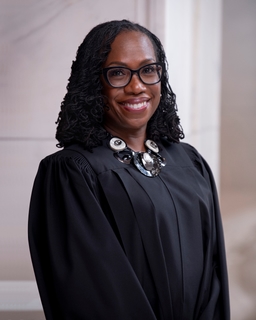
She told the petitioner's lawyer, 'I find your argument very odd,' questioning his logic that the police's prior knowledge of Mr. Case should have made them more hesitant. She argued the opposite: 'the fact that they had a lot of information about Mr. Case actually hurts your cause, not helps you.'
This directly attacks a core premise of the petitioner's argument. It shows Justice Jackson believes that more information should strengthen, not weaken, the basis for police to act. It's a fundamental break in legal reasoning that signals she is not persuaded by the petitioner's framing of the facts.

She cornered Montana's lawyer about the lower court's opinion, asking, 'And their citation to Lovegren we just ignore, where they said it was less than reasonable suspicion?'
This is a surgically precise attack on the lower court's decision. It reveals Justice Sotomayor has found a potential 'off-ramp' to decide the case narrowly. She could argue the Montana court simply used the wrong legal test—one even weaker than current precedent allows—and send the case back without needing to issue a broad ruling on the 'probable cause' question.
He offered a folksy hypothetical about a beat cop who sees a man lying motionless on a couch through a window, comes back two hours later, and the man hasn't moved. He gets no response knocking. Can he go in?
This hypothetical is designed to test the petitioner's rigid rule in a common-sense scenario with very little information. It highlights the Chief's concern that a strict standard would paralyze police from acting on a reasonable worry that a citizen is in distress, especially when there's no hint of a crime.
When pressed by Justice Sotomayor on the lower court's problematic citation to a weak legal standard, the attorney dodged, saying the court used 'imprecise language' and what really matters is the 'totality of the circumstances' analysis.
This pivot is a tacit admission that the lower court's legal reasoning was sloppy. It weakens Montana's position that the right standard was applied and gives justices looking for a narrow exit an easy reason to vacate the decision and send it back for a do-over.
In response to Justice Alito's devastating 'What more did they need?' question, the attorney avoided a direct answer and tried to reframe the issue around what police would do if they didn't have so much prior experience with Mr. Case.
This dodge shows the difficulty of the petitioner's position. By failing to draw a clear line explaining what additional fact was needed here, he inadvertently strengthened the perception that his proposed 'probable cause' standard is impractical and confusing for officers on the ground.
Arguments
Petitioner
The petitioner argues that the Fourth Amendment strictly protects the sanctity of a person's home, drawing a firm line at the front door that the government cannot cross without a very good reason. Normally, that reason is a search warrant, which is a permission slip from a judge based on "probable cause." Probable cause isn't about being 100% certain; it’s a common-sense standard that requires police to have enough solid facts to believe there is a "fair probability" that something illegal, or in this case, a life-threatening emergency, is happening inside. The petitioner insists that this standard must be met even when police are trying to help, because the act of forcing entry into a private home is the single biggest intrusion the Fourth Amendment was designed to prevent. Lowering this standard for emergencies, they claim, would create a dangerous loophole in our most basic right to privacy and security in our own homes.
The petitioner acknowledges that police need to act quickly in an emergency and can't always wait for a warrant, which is why the courts created an "emergency-aid exception." However, they argue this exception is not a blank check. The core of their argument is that before police can break down a door to provide aid, they must have probable cause to believe someone inside is actually seriously injured or about to be. They contend that a weaker standard, like "reasonable suspicion"—which is more of a specific, educated hunch—is not enough to justify such a major intrusion. They fear that a lower standard would invite abuse, leading officers to enter homes based on flimsy or uncorroborated tips, like a malicious "swatting" call, and would lead to more tragic confrontations like the one that ended with Mr. Case being shot in his own house.
Applying this to the facts of the case, the petitioner makes a surprising but critical point: the officers' deep, personal history with Mr. Case actually weakened their justification for entering, rather than strengthening it. The officers on the scene knew Mr. Case had a long history of threatening suicide but never following through. Body camera footage captured them saying things like, "He ain't got the guts, this is probably the tenth time I've dealt with him doing this," and expressing fear that he was trying to lure them into a "suicide by cop" scenario. The petitioner argues this proves the officers did not objectively believe there was a fair probability he was dying inside. Instead, their own words show they suspected he was setting a trap. The 40-minute delay before they finally entered further shows they didn't perceive an immediate, life-threatening crisis, but were preparing for a potential armed confrontation they believed he was provoking.
Ultimately, the petitioner is asking the Supreme Court to establish a single, clear, and high standard for all warrantless home entries. They argue that "probable cause" is a familiar and workable rule that officers use every day in criminal investigations, and applying it here provides the clarity needed to make split-second decisions. A vague, sliding-scale "reasonableness" test, they contend, would leave officers confused and citizens vulnerable. By maintaining the probable cause standard, the petitioner argues, the Court would ensure the emergency-aid exception remains a narrow tool for saving lives, not a broad power that slowly erodes the fundamental right to be secure in one’s own home.
Respondent
The respondent argues that the Fourth Amendment, which protects people from the government searching their homes, is fundamentally about preventing unreasonable actions, not just any action without a warrant. When police are faced with a potential life-or-death emergency, the most reasonable thing they can do is intervene to help. This isn't a criminal investigation where they are looking for evidence of a crime; it's a rescue mission. The respondent contends that history supports this common-sense approach, as the law has long recognized that the need to save a life can justify entering a home. The core of their argument is that the legal standard for a health-and-safety check should match the mission's goal: saving lives, not prosecuting criminals.
The respondent claims that forcing police to meet the "probable cause" standard in these situations would be a dangerous mistake. Probable cause is a high bar used for criminal warrants, requiring solid evidence that a crime has likely been committed. Applying this standard to an emergency, they argue, would paralyze officers. It would force them to stand on a doorstep, calculating legal risks and second-guessing themselves while someone inside could be bleeding out or dying. As the justices' hypotheticals revealed, the fear is that officers, worried about being sued for violating a strict probable cause rule, would hesitate or walk away, leading to preventable tragedies. The respondent insists that the law should encourage police to act on a reasonable belief that someone is in danger, not punish them for not being absolutely certain.
Instead, the respondent advocates for the standard the Supreme Court has already used in similar cases: an "objectively reasonable basis." This standard is more flexible and practical for emergency situations. It doesn't ask if the police were 100% correct, but whether a reasonable officer, looking at the same set of facts, would have believed that someone inside needed immediate help. This allows for a progressive response. For instance, officers can first knock, then look through a window, then yell—gathering more information before taking the final step of entering. This approach, they argue, properly balances a person's privacy with the urgent, real-world need to protect human life, allowing officers to use their training and common sense without being handcuffed by a legal standard designed for an entirely different context.