Digest
A criminal defendant’s testimony is paused for an overnight recess, and the judge orders him not to discuss that testimony with his lawyer. The Supreme Court weighed whether such an order violates the Sixth Amendment right to counsel. The case forces the Court to draw a line between a defendant's right to strategize with their attorney and a judge's power to prevent witness testimony from being improperly coached mid-trial.
The defendant argued that banning discussion of testimony makes it impossible to give effective advice on critical matters like accepting a plea bargain or correcting honest mistakes. Texas countered that courts must protect the truth-seeking process by preventing testimony from being "managed" or "cleaned up" overnight. The state proposed a rule that distinguishes permissible strategic advice from impermissible coaching on the substance or delivery of testimony.
A ruling for the defendant would grant clients and lawyers a clear right to discuss all aspects of testimony during long recesses. A ruling for Texas would give judges more power to restrict these conversations, aiming to preserve the integrity of cross-examination but creating a blurry and difficult-to-enforce line for defense attorneys, potentially chilling vital legal communication.
Key Moments
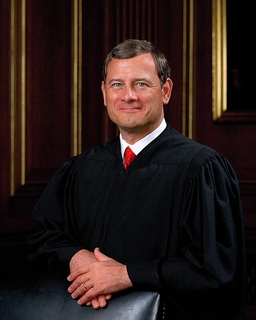
He presented a hypothetical: what if the defendant and lawyer agreed on a strategy to mention a guy named 'Fred,' but the defendant notices a juror scowls every time 'Fred' is mentioned. Can the defendant ask his lawyer overnight, 'Is this 'Fred' strategy really working?' Texas's lawyer said no.
This exchange brilliantly exposed the central weakness in Texas's argument. It shows that the line between 'trial strategy' and 'testimony content' is hopelessly blurry. The 'Fred' strategy is both, proving that a rule forbidding discussion of testimony is unworkable in the real world.
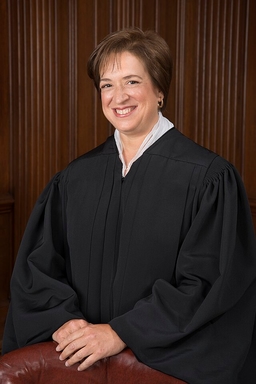
When Villarreal's lawyer argued against the legal line drawn by a key precedent case (Perry), Justice Kagan shot back, 'But that's Perry's line... it might be that Perry was wrong, but that's Perry's line,' adding that the text was right on page 284, which drew laughter.
This was a 'gotcha' moment. It signaled that Kagan believes the petitioner is asking the Court to ignore or overturn existing precedent, a much harder task than simply interpreting it. The laughter underscored how directly she was challenging the foundation of the petitioner's case.
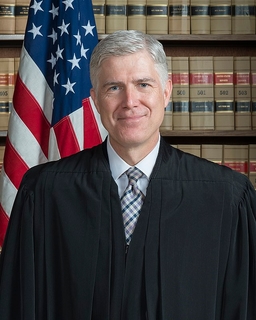
He asked Villarreal's lawyer what historical evidence exists for a 'right of a witness to be coached or, if you don't like that word, managed by his attorney' while in the middle of testifying.
This question reveals Gorsuch's originalist approach. He's skeptical because he sees no historical foundation for the specific right being claimed. It suggests he views the defendant, once on the stand, primarily as a 'witness' subject to traditional rules, rather than a 'client' with an uninterrupted right to counsel.
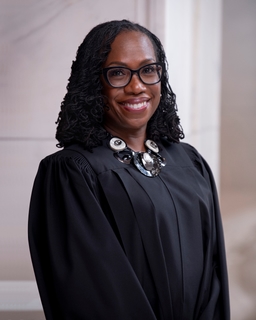
Building on a point from Justice Thomas, she asked: if a lawyer can't coach their client while they are physically on the stand, why should an overnight recess fundamentally change that rule?
This shows multiple justices forming a consensus around a key point. It frames the overnight recess not as a new phase of the trial, but as a simple pause. This logic strongly supports Texas's position that the rules governing a witness shouldn't be suspended just because of a break.
She asked Texas's lawyer if, during a recess, a lawyer could advise their client to stop mumbling and make eye contact with the jury. The lawyer said no, because that would be 'coaching their testimony.'
This hypothetical revealed the extreme and potentially absurd breadth of the rule Texas wants. By classifying basic presentational advice as forbidden 'coaching,' it showed the justices how such a rule could restrict even the most benign and necessary attorney-client communication, likely making them wary of its practical consequences.
He immediately challenged Villarreal's proposed safeguard—that prosecutors could just cross-examine defendants about any coaching. He asked, 'Isn't that a real problem with respect to the attorney-client privilege? What is the prosecutor going to say? Okay... what did you talk about?'
Roberts identified a fatal flaw in the petitioner's argument right out of the gate. He pointed out that their 'solution' to the coaching problem creates an even bigger constitutional problem by threatening to destroy attorney-client privilege, forcing a defendant to reveal confidential conversations.
He asked Villarreal's lawyer if a prosecutor could question a defendant about whether they discussed a specific part of their testimony with their lawyer overnight. The lawyer eventually conceded, 'I honestly don't know.'
This was a critical moment of weakness. The attorney's inability to answer a direct question about the real-world application of his own argument signaled a major vulnerability. It was a concession that his proposed system for handling coaching is fraught with unresolved privilege issues, reinforcing the Chief Justice's earlier skepticism.

She cut off Villarreal's lawyer to demand a 'yes or no' answer on whether his position was that the only thing a judge could prohibit is a lawyer telling a client to lie.
This showed judicial impatience with what was perceived as an evasive answer. More importantly, it forced the attorney to commit to his absolutist position—that almost no restriction is permissible. This clarified for the Court the stark choice between the petitioner's wide-open rule and the respondent's restrictive one.
Arguments
Petitioner
The petitioner argues that a defendant’s constitutional right to a lawyer is meaningless if they can’t actually talk to them about the most important thing happening: their own testimony. The Sixth Amendment guarantees the "assistance of counsel," which isn't just having a lawyer sit next to you in court. It’s about getting their advice, planning strategy, and making critical decisions together. An overnight recess, the petitioner claims, is the most crucial time for this to happen. It's when the lawyer and client can finally step back, assess how the day went, and prepare for what’s next. Forbidding them from discussing the defendant's testimony during this time is like telling a surgeon and their assistant they can talk about anything except the operation they are in the middle of performing.
The core of the petitioner's argument is that it's impossible to draw a clean line between discussing "trial strategy" and discussing "testimony." The two are completely intertwined. For example, if a defendant gives testimony that backfires and makes them look guilty, the lawyer needs to be able to say, "What you said today was very damaging; maybe we should consider the plea bargain the prosecutor offered." This is a strategic decision that cannot be made without directly referencing the testimony. Similarly, if a defendant almost mentions evidence the judge has forbidden, the lawyer must be able to warn them overnight, "Don't bring that up again tomorrow." This is essential legal advice that is fundamentally about the content of the testimony. By creating a vague, invisible line, the court forces a defense lawyer to choose between risking being held in contempt or failing to give their client the help they desperately need.
The main reason a court would issue such an order is to prevent "coaching," where a lawyer might unscrupulously tell their client to change their story or lie. The petitioner argues that while this is a valid concern, a complete communication ban is a sledgehammer approach when a scalpel is needed. There are already ways to deal with improper coaching. The prosecutor can cross-examine the defendant, pointing out suspicious changes in their story and asking if their lawyer told them what to say. This allows the jury to decide if the witness is being truthful or just repeating a script. The petitioner contends that this method protects the integrity of the trial without completely severing the essential line of communication between a defendant and their lawyer at a moment when they need it most.
Finally, the petitioner leans on previous Supreme Court decisions, particularly a case called Perry v. Leeke, which drew a "line of constitutional dimension" between short daytime recesses and long overnight ones. The Court in Perry said that during a brief, 15-minute break, a judge can prohibit all contact to prevent a witness from being coached in the middle of a thought. But an overnight recess is fundamentally different. It has always been a time for deep strategic planning. The petitioner highlights a key sentence from that case, stating that discussions about strategy will "inevitably include some consideration of the defendant's ongoing testimony." In essence, they are arguing that the Supreme Court has already acknowledged that this line is impossible to draw and that the right to talk with your lawyer overnight is so important that it outweighs the risk of coaching, which can be handled in other ways.
Respondent
The respondent argues that a trial court judge has the authority to tell a defendant and their lawyer not to discuss the defendant's testimony during an overnight recess, and that this order does not violate the Sixth Amendment right to counsel. The core of this argument is about protecting the truth-finding process of a trial. When a defendant is on the witness stand, they are presenting evidence through their story. The respondent contends that allowing that defendant to pause, consult with their lawyer overnight, and then resume testifying is like letting an artist touch up a photograph in the middle of a contest. The testimony is no longer raw and unfiltered. The primary goal of this limited prohibition is to preserve the integrity of cross-examination, a crucial tool where the opposing lawyer tests the truthfulness of the testimony. An overnight break, they argue, should not become an opportunity to "coach" the witness, fix damaging statements, or rehearse answers for the next day.
This position is built on the Supreme Court's past rulings, particularly a case called Perry v. Leeke. In Perry, the Court said a judge could forbid a defendant from talking to his lawyer during a brief, 15-minute recess. The respondent argues the key lesson from Perry is not the length of the break, but the subject of the conversation. The Court drew a line between discussing general trial strategy (like which witness to call next or whether to accept a plea deal) and discussing the defendant's own ongoing testimony. The respondent claims there is no constitutional right to discuss the testimony itself while it is in progress. Therefore, an order that only bans discussion of the testimony—a "qualified" order—is perfectly acceptable because it allows the defendant and lawyer to confer on all other protected matters.
The respondent's rule creates a clear, albeit strict, distinction. A lawyer can discuss almost anything with their client overnight, but they cannot "manage" the testimony. This includes direct coaching on what to say, but it also extends to more subtle guidance. For example, if the defendant asks, "The jury seemed to hate it when I mentioned Fred, should I stop?" the lawyer would be barred from answering. If the lawyer notices the client is mumbling and not making eye contact, they cannot advise them to speak clearly and look at the jury, as this is considered coaching the performance of the testimony. The guiding principle for the lawyer is to ask: "Will this conversation shape the substance or delivery of my client's testimony?" If so, it is forbidden until the testimony concludes.
Ultimately, the respondent is arguing for a balance. Their rule protects the defendant's fundamental right to counsel for strategic decisions while also protecting the courtroom's function as a place to uncover the truth. It gives trial judges a practical tool to prevent evidence—the defendant's own words—from being altered mid-stream. This approach, they contend, respects the authority of judges to manage their trials and ensures that the jury sees a witness's true, uncoached recollection, which is essential for a fair verdict. It trusts lawyers to understand and abide by a specific judicial order, just as they are expected to do throughout a trial.